

A Gentler Thread Lift, Built on Cogs Instead of Barbs
Facial thread lifting with FDA-cleared absorbable PDO sutures, placed by Dr. Ellen Turner using Dr. Mariano Busso’s technique at our Dallas and Irving dermatology offices.
INTRODUCTION
Not Every Thread Lift Is the Same Procedure
PDO threads are ultra-fine dissolvable sutures made of polydioxanone, a biocompatible material used in surgery for decades. Placed beneath the skin, they provide a mechanical lift while stimulating your body’s own collagen as the thread gradually absorbs. That much is true of every PDO thread on the market.
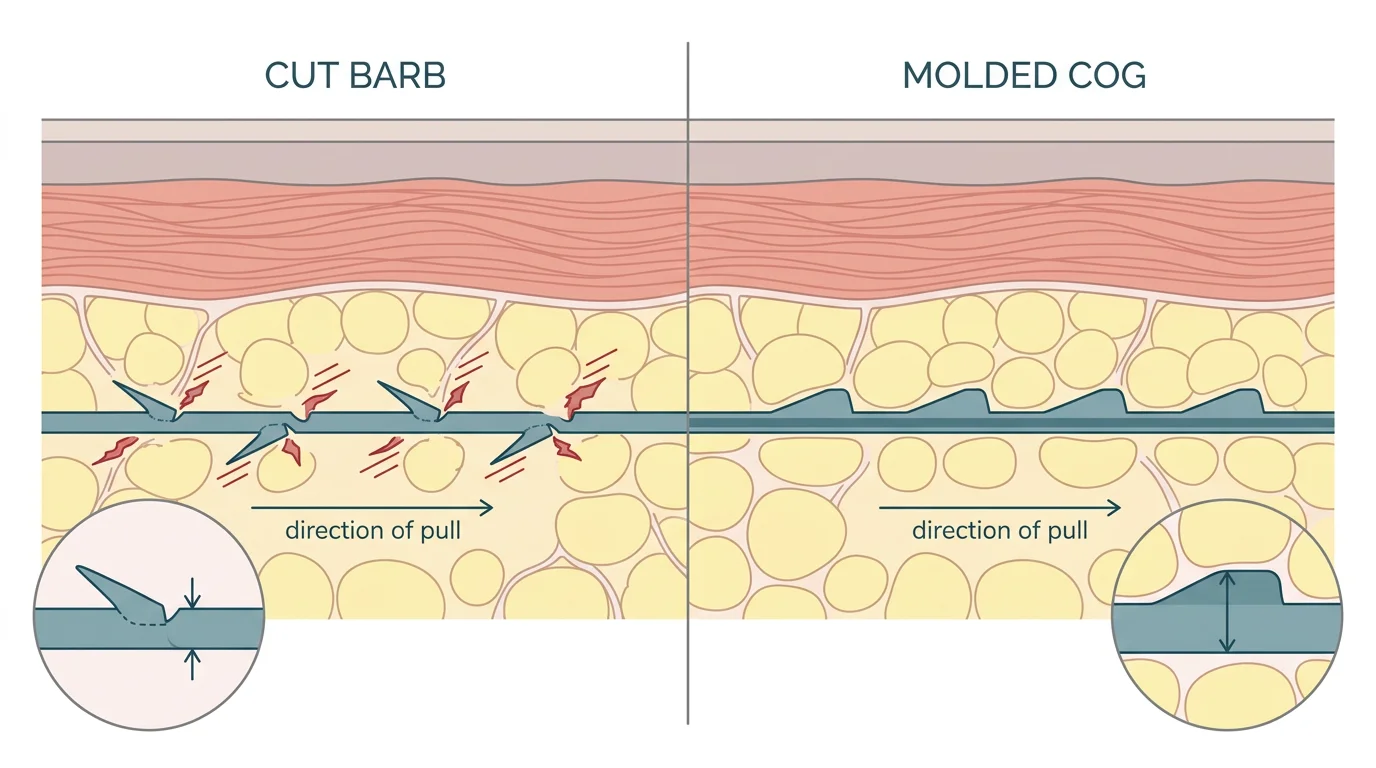
What separates one thread lift from another is how the thread grips the tissue. Most traditional PDO threads use barbs that are cut into the suture. Cutting removes material, which weakens the thread and allows it to drag against the tissue it is meant to hold. The threads Dr. Ellen Turner uses are different: their cogs are molded into the thread rather than cut from it, so tensile strength is preserved and the tissue is engaged without being torn.
Dr. Turner places them using the specific technique developed by Dr. Mariano Busso, a board-certified dermatologist in Miami widely recognized as a pioneer of thread lifting in the United States. Rather than a needle, the thread is delivered through a blunt 18-gauge cannula, which is gentler on vessels and nerves. She performs this on the face only, where the technique is most precise and where the results have been most consistent in her hands.
Key Facts
- ✓Polydioxanone (PDO), FDA-cleared as an absorbable surgical suture
- ✓Molded cogs, not cut barbs, so the thread holds without tearing tissue
- ✓Delivered through a blunt 18-gauge cannula rather than a sharp needle
- ✓Performed on the face only, where the technique is most precise
12-18 mo
Commonly reported duration of result
18G
Blunt cannula, no sharp needle
FROM DR. TURNER
Why I Waited Years to Offer Thread Lifting
My work with thread lifting began with Silhouette InstaLift®. I watched a couple of cases, and when my own first two patients were scheduled, the physician who was meant to teach me backed out at the last minute. I went ahead on my own. That first patient was such a success that the manufacturer still uses those images nationwide as an example of what an InstaLift result should look like. In 2020 I was named a Silhouette InstaLift® Center of Excellence and trainer, and I served as a trainer for Allergan as well, where I now hold the title of trainer emeritus.
For years I deliberately did not offer PDO threads. I had three reasons. The barbs concerned me, because cutting barbs into a suture weakens it and drags on the tissue it is supposed to support. The longevity was not competitive, typically around six months. And the learning curve was steep. I once heard a physician lecturing on PDO threads say it usually takes about ten patients before you become good at the procedure.
“What happens to the first nine?”
Dr. Ellen Turner
That question is why I stayed away. I am not willing to learn a procedure on the people who trust me with their faces.
What changed my mind was Dr. Busso’s technique and the specific threads it uses. These do not have barbs. They have cogs, molded into the thread, gentle on the tissue and far less likely to tear it. The placement method he teaches produces a result that lasts closer to a year to eighteen months rather than the six months I had come to expect. I am doing more and more of these, with results I am genuinely proud of.
PATIENT RESULTS
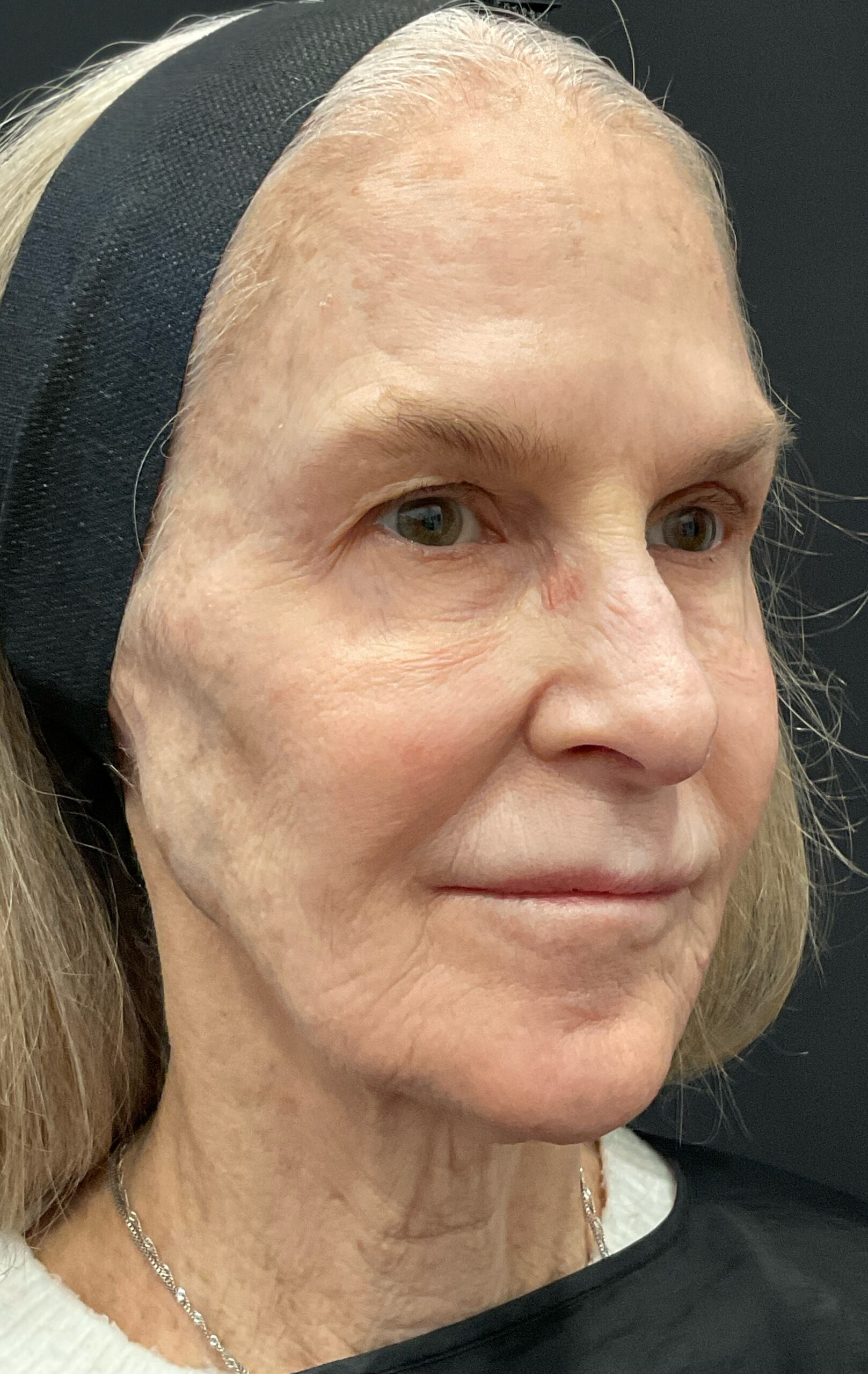
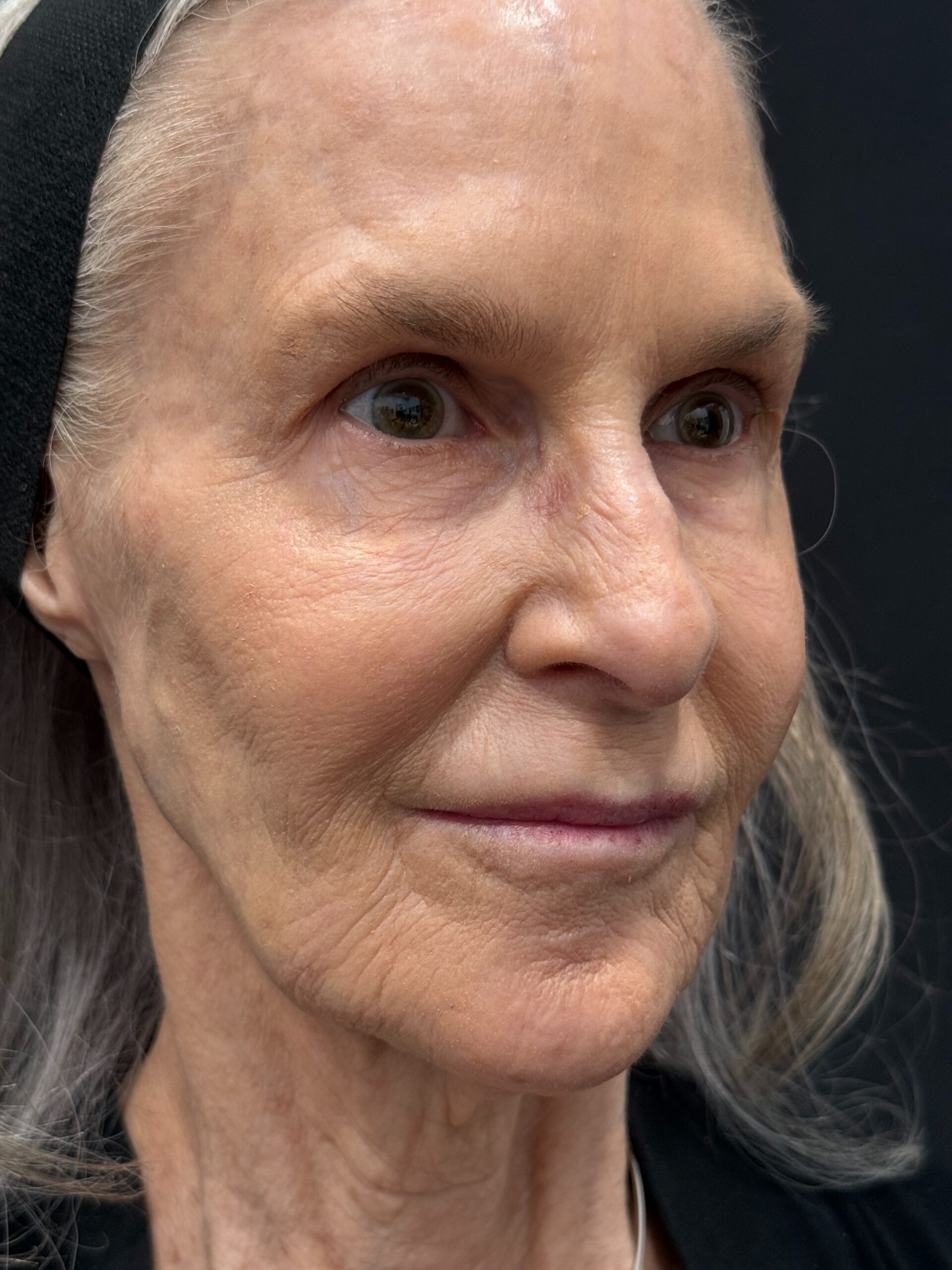
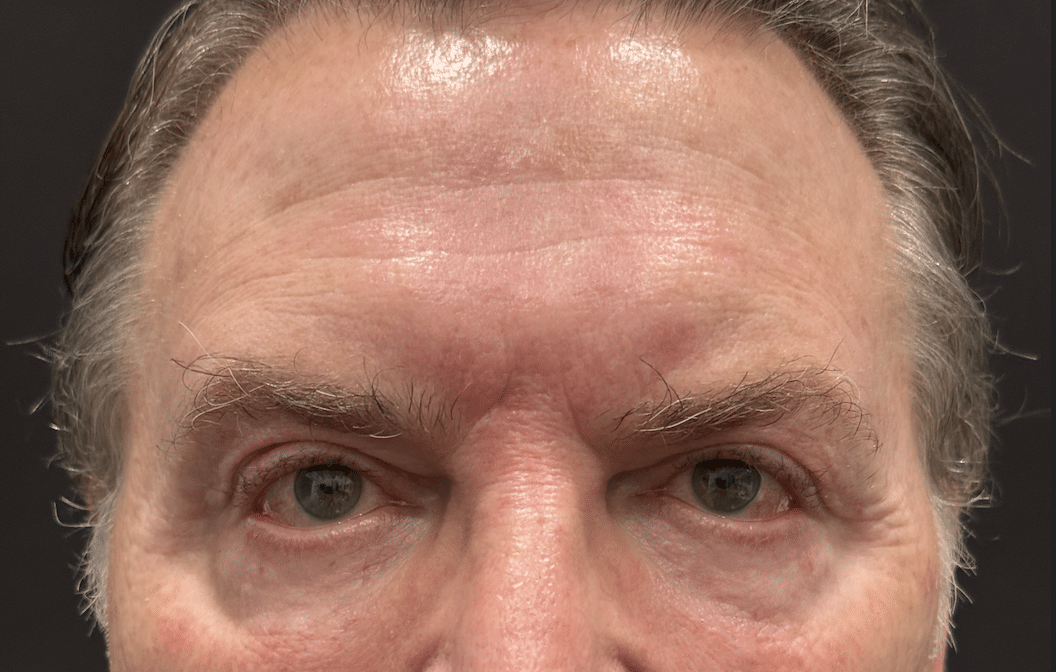
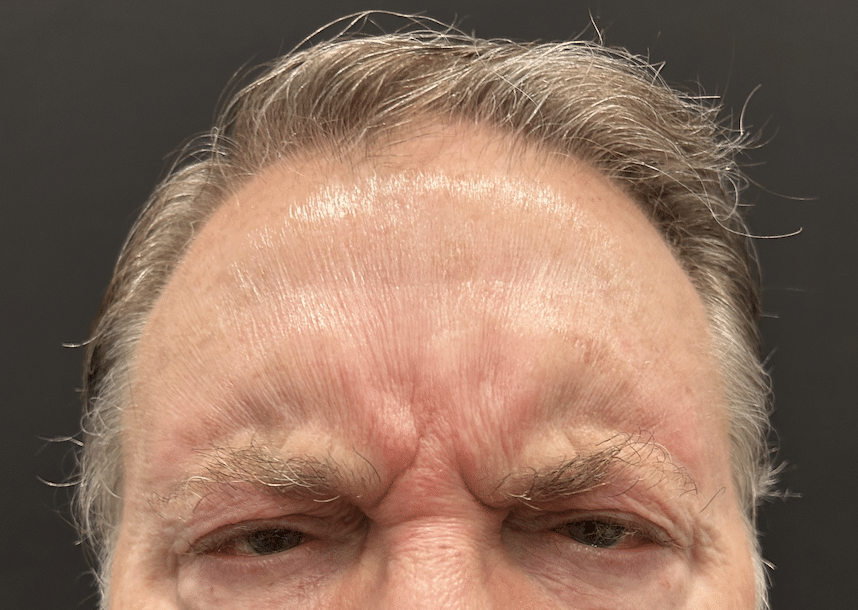
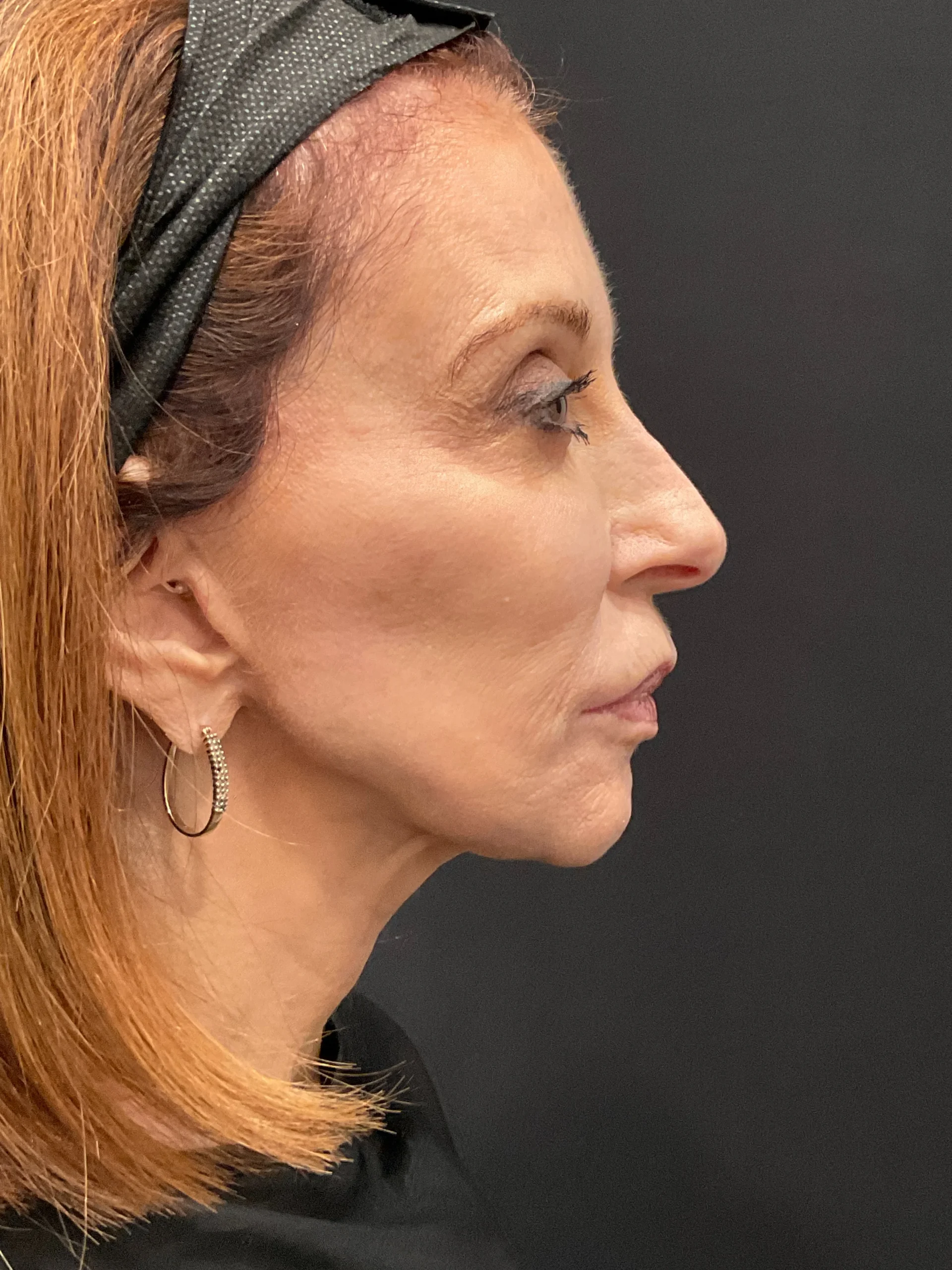
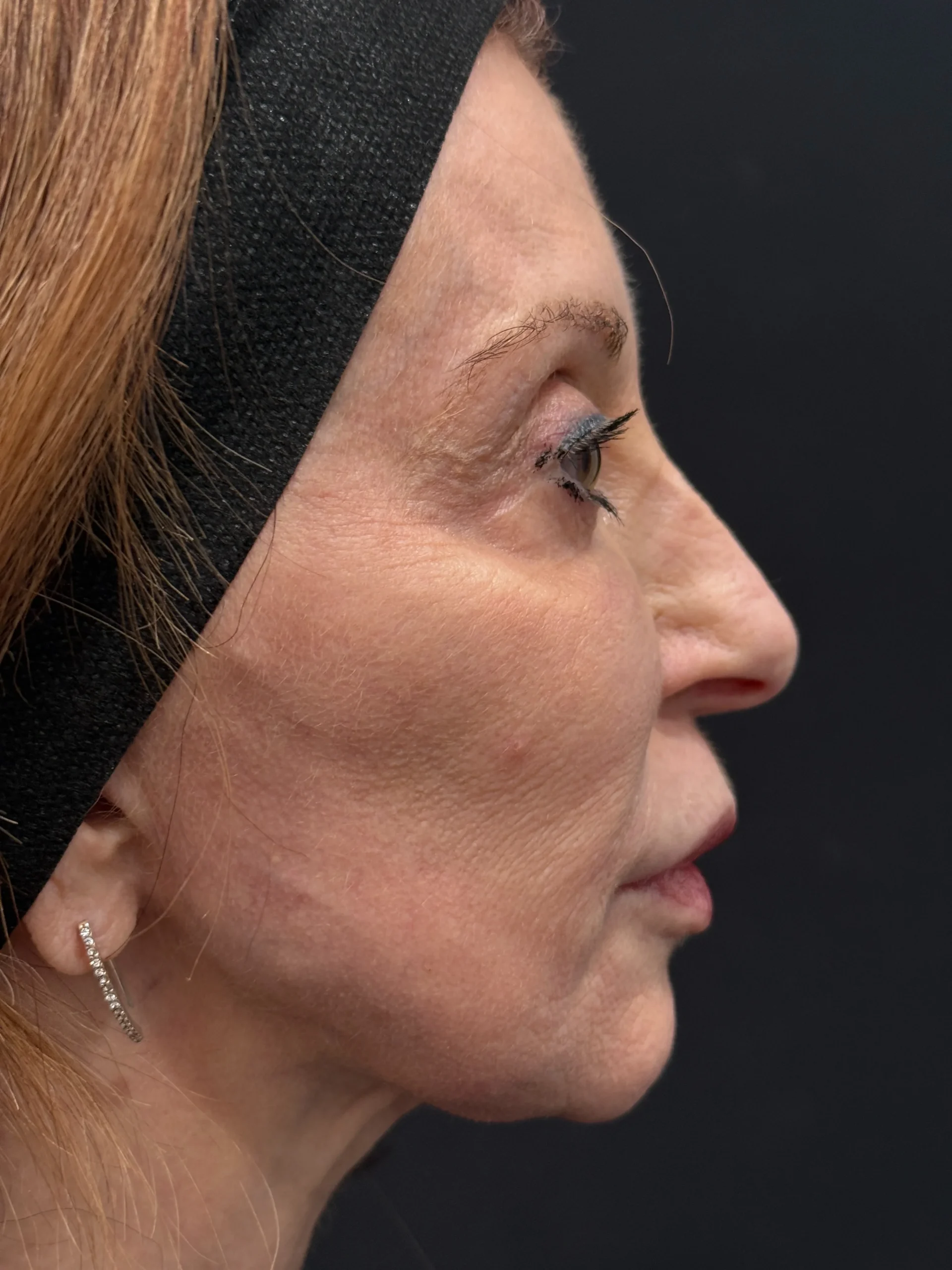
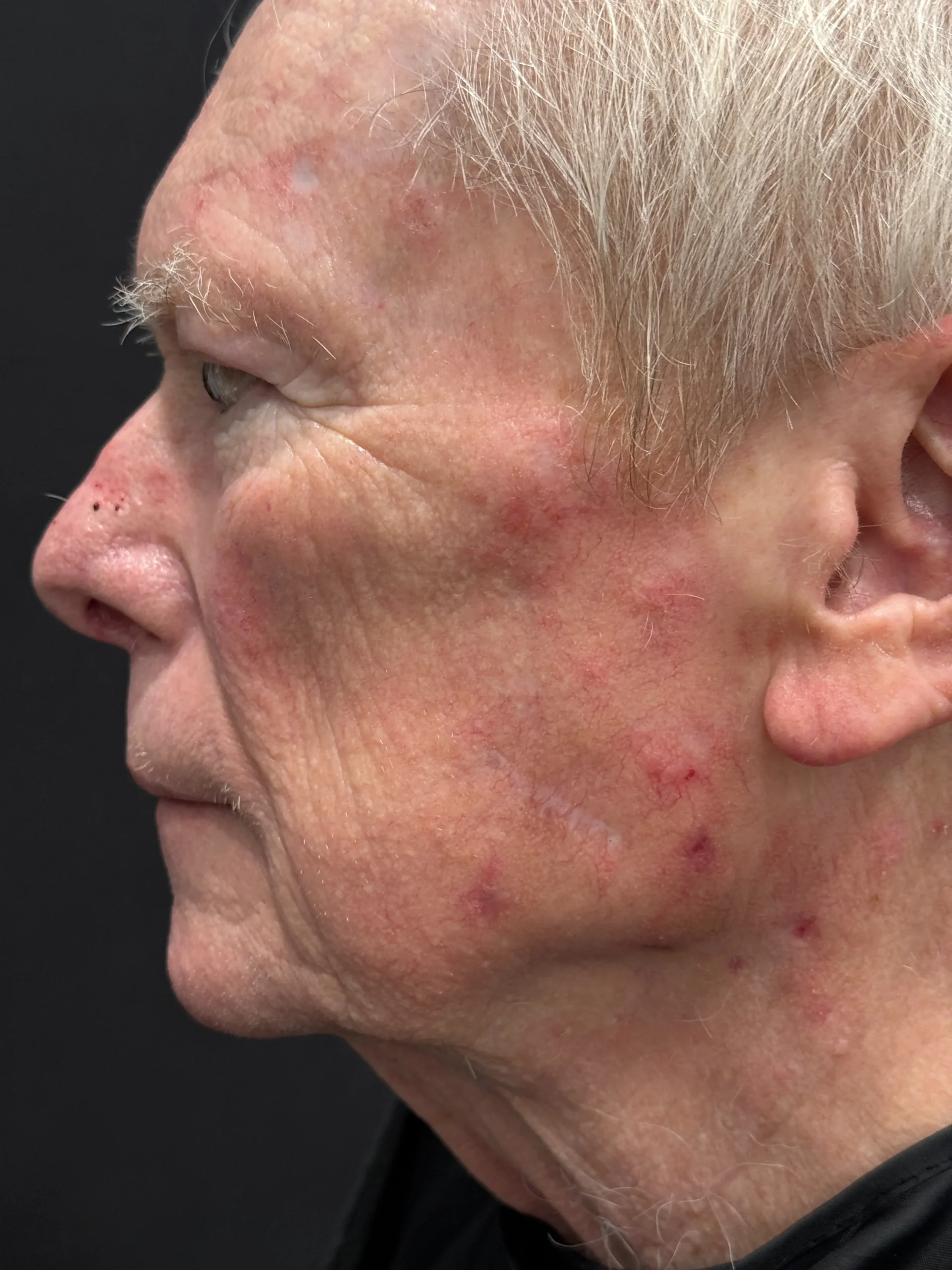
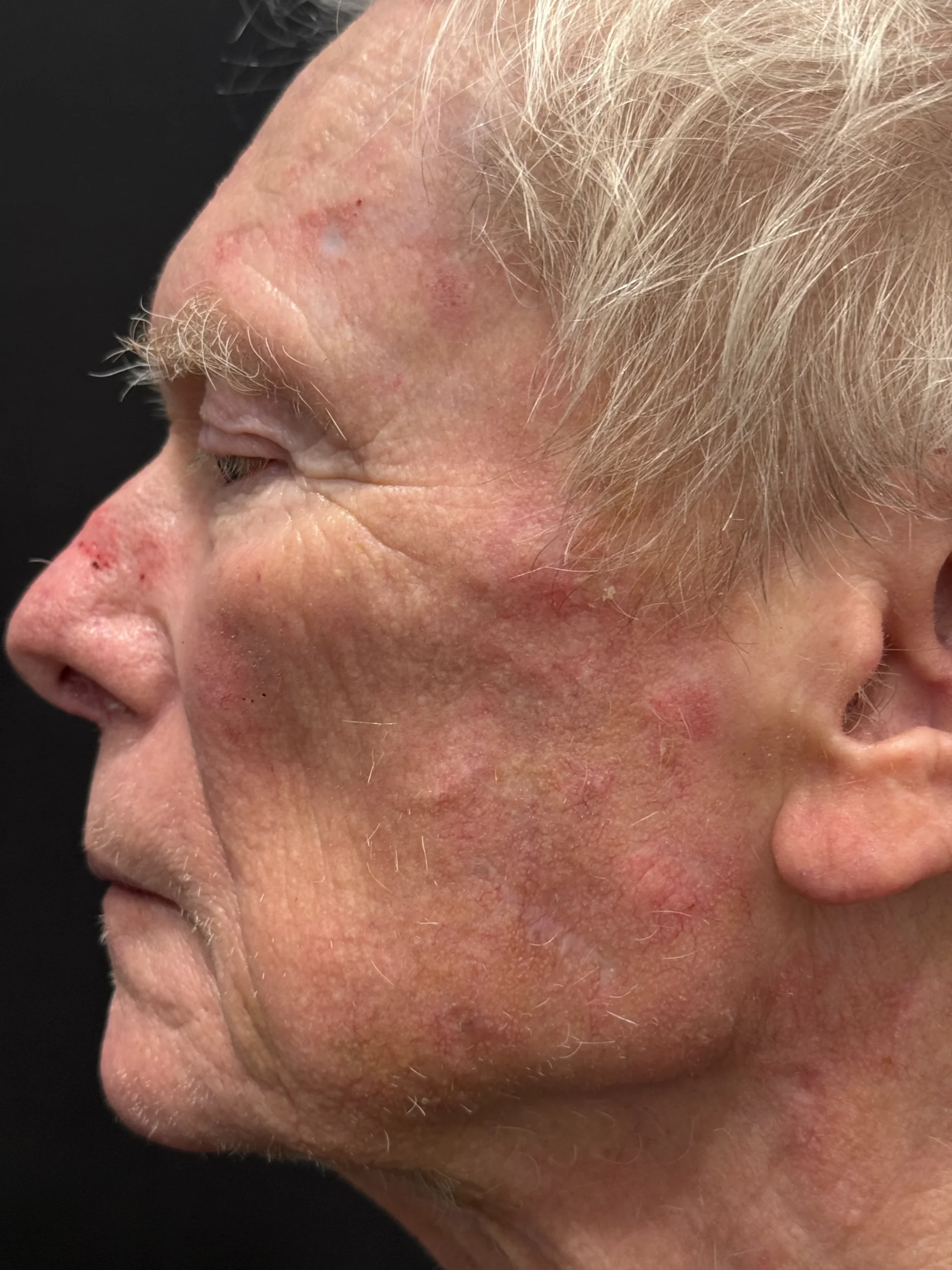
Real Results from Dr. Turner’s Dallas and Irving Patients
Every case shown here was treated by Dr. Ellen Turner at our Dallas and Irving dermatology offices. Individual results may vary.
THE DIFFERENCE THAT MATTERS
Cut Barbs vs. Molded Cogs
Both designs anchor a thread in tissue. How they are manufactured changes how the thread performs, how gently it behaves, and how long the lift holds.
TREATMENT AREAS
Focused on the Face
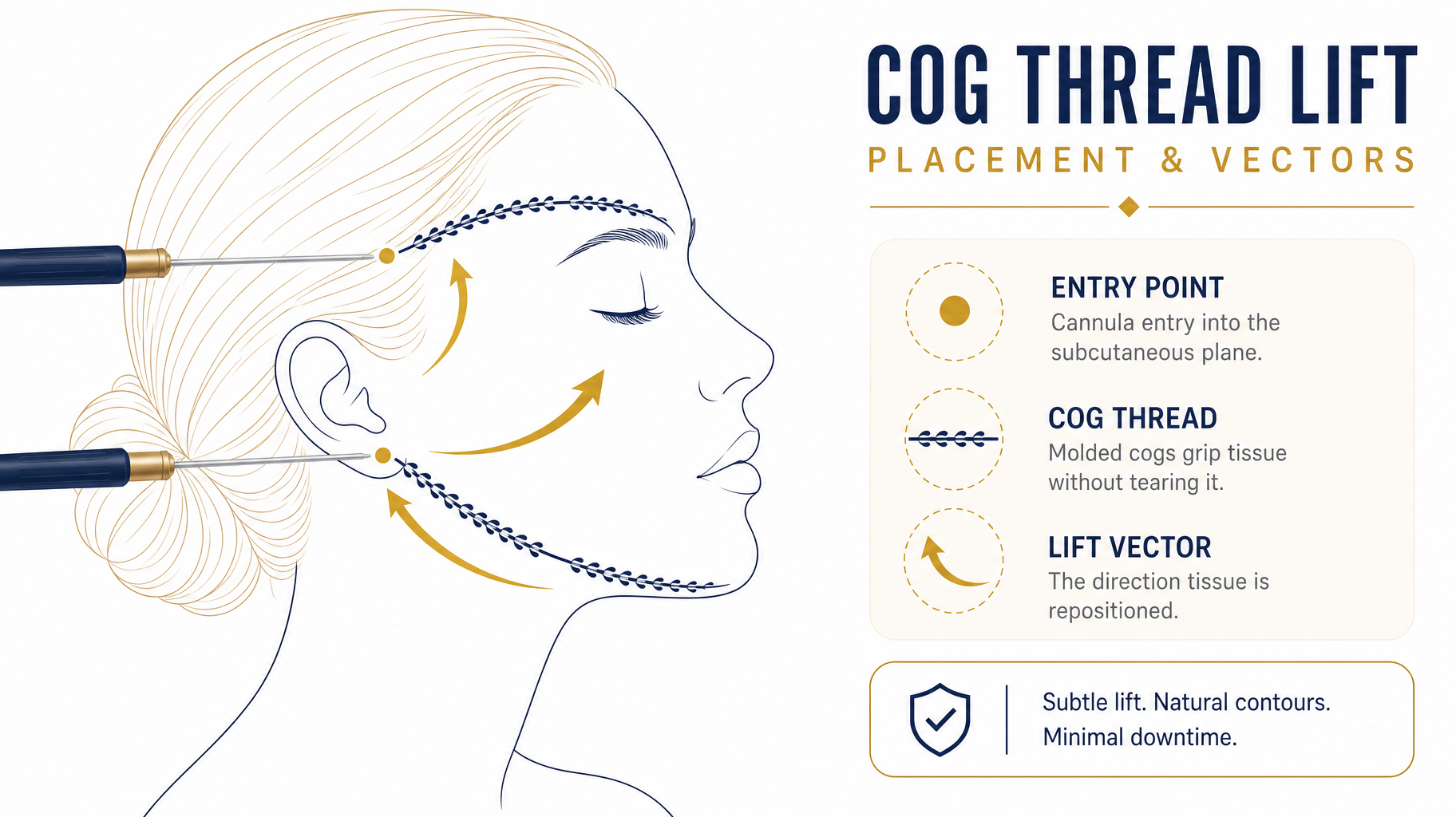
Dr. Turner performs cog thread lifting on the face, where the technique is most precise. She maps your entry points and vectors of lift during a consultation at our Dallas or Irving office.
THE TECHNIQUE
What Is the BussoLyft®?
The BussoLyft® is a trademarked cog thread technique developed by Dr. Mariano Busso, a board-certified dermatologist in Miami recognized as a pioneer of thread lifting in the United States. Rather than tightening skin, it uses a specific placement pattern to lift and reposition the superficial fat pads of the face that descend with age and gravity, helping restore natural contour through the cheeks and jawline.
The threads are delivered through blunt 18-gauge cannulas, which pass between vessels and nerves rather than through them. As with all PDO threads, the material stimulates your own collagen as it absorbs, and the technique combines readily with dermal filler for a more complete result.
TREATMENT JOURNEY
What to Expect at Your Appointment in Dallas or Irving
Dr. Turner performs cog thread lifting as an in-office procedure at our Dallas and Irving locations. Most appointments take about 30 to 60 minutes.
Step 1 – Consultation at Our Dallas or Irving Office▾
- ✓Dr. Turner reviews your goals, facial anatomy, and where tissue has descended
- ✓She determines whether cog threads, filler, or a combination best fits your goals
- ✓The number of threads, the vectors of lift, and realistic outcomes are fully discussed
- ✓Candidacy is confirmed and photographs are taken for your records
Step 2 – Mapping & Comfort▾
- ✓The face is cleansed and marked with the entry points and lift vectors for your plan
- ✓A local anesthetic numbs each entry point for comfort
- ✓Placement follows Dr. Busso’s mapped pattern rather than a freehand approach
Step 3 – Cannula Placement▾
- ✓Each thread is introduced through a blunt 18-gauge cannula in the subcutaneous plane
- ✓The blunt tip navigates around vessels and nerves rather than piercing through them
- ✓Cogs engage the tissue and the thread is drawn to create the planned lift
- ✓Excess thread is trimmed at the entry point, leaving no visible suture
Step 4 – Aftercare & What Happens Next▾
- ✓Mild swelling, bruising, or tenderness at entry points is common and typically resolves within one to two weeks
- ✓Avoid strenuous exercise and exaggerated facial movement for the first one to two weeks, as advised
- ✓Sleep with your head elevated for the first few nights
- ✓Follow all aftercare instructions and schedule your follow-up as recommended
In a 2026 meta-analysis of 26 studies and more than 2,800 thread lift patients, the most commonly reported effects were swelling and bruising, both temporary. Less common issues included a visible or palpable thread and skin dimpling. Dr. Turner reviews all risks with you before treatment.
THE SCIENCE
How a Dissolvable Suture Delivers Lift Today and Collagen Tomorrow
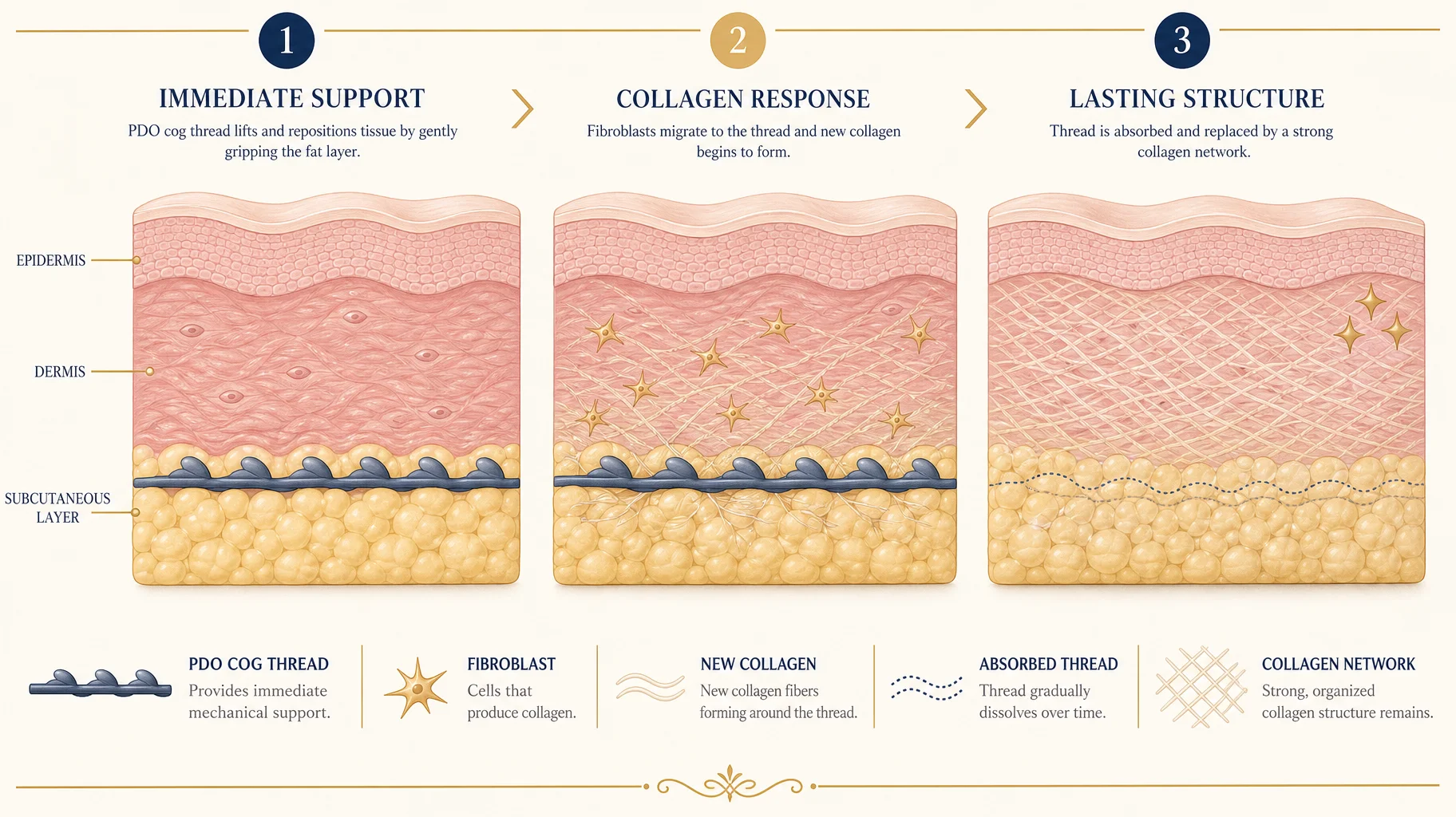
Cog threads work through two complementary mechanisms, an immediate mechanical effect and a longer-term biological response.
01
Immediate Repositioning
The molded cogs engage the surrounding tissue the moment the thread is drawn, lifting descended fat pads back toward their original position. Most patients notice the change right away.
02
Healing Response
As a biocompatible material, PDO triggers a mild, controlled healing response in the tissue surrounding each thread.
03
Collagen Renewal
This response activates fibroblasts, the cells that produce collagen. The thread itself absorbs by hydrolysis over roughly 4 to 6 months, leaving behind a framework of your own newly built collagen.
The Evidence
✓PDO threads are FDA-cleared as an absorbable surgical suture, Class II, under 21 CFR 878.4840
✓Thread material absorbs by hydrolysis over approximately 4 to 6 months, while the lift is reported to persist substantially longer
✓Peer-reviewed studies document collagen production and tissue contraction following PDO thread placement
✓Molded anchor designs are reported to preserve suture tensile strength compared with cut barb designs
✓A 2026 meta-analysis of 2,827 patients found thread lifting generally safe, with swelling and bruising most common
✓Combination studies of threads with dermal filler report mid-face improvement assessed out to 24 months
PLACEMENT TECHNIQUE
How Dr. Turner Places Cog Threads with Precision
Entry points and thread paths are mapped to your anatomy before anything is placed. A blunt 18-gauge cannula then carries each thread through the subcutaneous plane, engaging the fat pads that have descended.
HOW IT COMPARES
Three Approaches to Non-Surgical Lifting
Dr. Turner offers both cog thread lifting and Silhouette InstaLift®. Traditional barbed PDO threads are shown for context, since they are what most patients have read about.
| Traditional Barbed PDO | BussoLyft® Cog Technique | Silhouette InstaLift® | |
|---|---|---|---|
| Material | Polydioxanone (PDO) | Polydioxanone (PDO) | Poly(glycolide/L-lactide) |
| Tissue Anchor | Barbs cut into the suture | Cogs molded into the suture | Bidirectional cones |
| Placement Instrument | Sharp needle or cannula | Blunt 18-gauge cannula | Needle |
| FDA Status | Cleared as an absorbable suture | Cleared as an absorbable suture | Cleared for mid-face suspension |
| Reported Duration | Approximately 6 months | Approximately 12 to 18 months | 18 to 36 months in clinical studies |
| Offered by Dr. Turner | No, by choice | Yes, face only | Yes |
Dr. Turner does not offer traditional barbed PDO threads, a decision she made deliberately and explains above. Between the cog technique and Silhouette InstaLift®, both remain available, and she reaches for cog threads increasingly often for facial lifting. Your consultation determines which is the better fit, and for many patients the answer includes dermal filler alongside either one.
WHY THIS TECHNIQUE
A Gentler Lift That Holds Longer
Cogs
Molded into the thread rather than cut from it, engaging tissue without tearing it.
12-18 mo
Commonly reported duration, roughly double what traditional barbed PDO delivers.
Face
Deliberately focused where the technique is most precise, rather than offered everywhere.
Cog thread lifting is one of several options Dr. Turner offers, alongside Silhouette InstaLift®, Sculptra®, and Radiesse®. During your consultation she will recommend the most appropriate option, or combination, for your goals.
PATIENT QUESTIONS
Frequently Asked Questions
What is the BussoLyft® technique?▾
What is the difference between cogs and barbs?▾
Are PDO threads FDA-approved?▾
How is this different from Silhouette InstaLift®?▾
How long do results last?▾
Does the procedure hurt?▾
What is the downtime?▾
What are the risks?▾
Can this be combined with filler?▾
How much does it cost in Dallas?▾
COSMETIC DERMATOLOGY | DALLAS & IRVING
See What a Gentler Thread Lift Can Do
Lift, reposition, and rebuild collagen without surgery, with expert care from Dr. Ellen Turner, serving Dallas, Irving, and the surrounding communities.