

Hidradenitis suppurativa (HS) is a chronic, inflammatory skin condition that affects millions of people—yet it remains widely underdiagnosed and misunderstood. Too often, patients spend years treating what they believe are recurring boils, ingrown hairs, or acne, only to later discover they’ve been living with a progressive medical condition that requires specialized care.
What Is Hidradenitis Suppurativa?
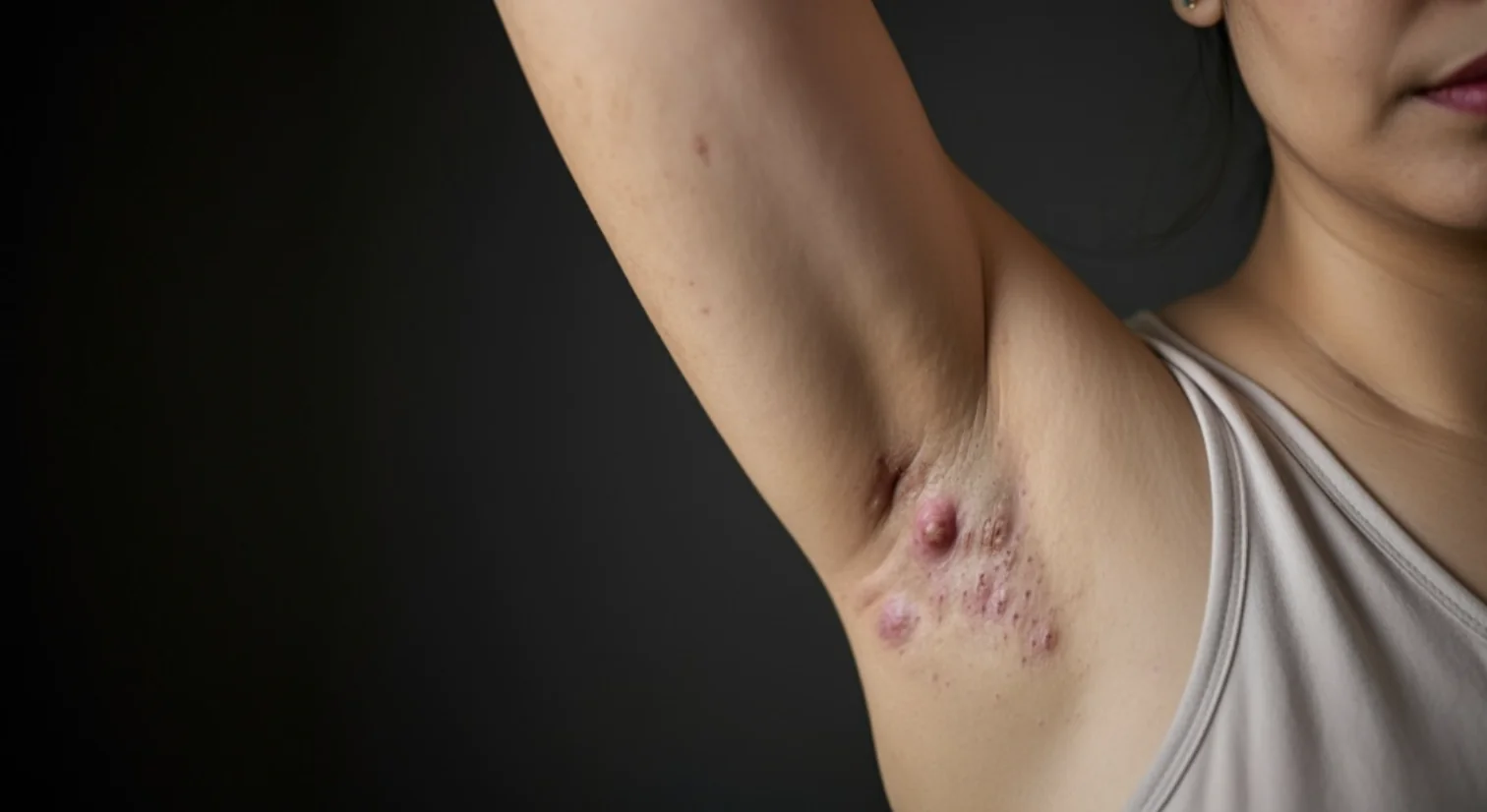 Hidradenitis suppurativa, sometimes referred to as “acne inversa,” is a long-term inflammatory disease that affects hair follicles and the immune system. It causes painful lumps, nodules, and abscesses deep within the skin. These lesions can rupture, drain fluid, and eventually lead to scarring and the formation of tunnels under the skin known as sinus tracts.
Why HS Is Often Underdiagnosed
One of the most challenging aspects of HS is that it is frequently misdiagnosed—especially in its early stages. The condition can closely resemble common skin issues like cysts, boils, or folliculitis, making it easy to overlook.
There is also no single test to confirm HS. Diagnosis relies on clinical evaluation, patient history, and pattern recognition—something that typically requires the expertise of a trained dermatologist. As a result, many patients go years without an accurate diagnosis. During that time, the disease often progresses, becoming more severe and more difficult to treat.
The Importance of Early Diagnosis
HS is not a static condition—it tends to worsen over time if left untreated. Early-stage HS may present as isolated, painful bumps. But as inflammation continues, lesions can grow deeper, recur more frequently, and spread to larger areas of the body.
Advanced HS can lead to:
- Chronic pain and drainage
- Significant scarring and skin thickening
- Formation of interconnected tunnels beneath the skin
- Reduced mobility and quality of life
Repeated cycles of inflammation and healing can permanently alter the skin, making early intervention critical. Simply put: the longer HS goes untreated, the more severe it can become.
Where Does HS Commonly Occur?
 Hidradenitis suppurativa most often appears in areas where skin rubs together or where hair follicles are concentrated. Common locations include:
New and Emerging Treatments for HS
While there is currently no cure for HS, treatment options have expanded significantly in recent years. Management focuses on reducing inflammation, preventing flare-ups, and minimizing disease progression.
Common treatments include:
- Topical and oral antibiotics
- Hormonal therapies
- Steroid injections
- Surgical procedures for advanced disease
More recently, FDA-approved biologic therapies have transformed how moderate to severe HS is treated. Medications such as adalimumab (Humira) and newer biologics like secukinumab target specific pathways in the immune system to reduce inflammation and disease activity.
These advanced therapies offer hope for patients who previously had limited options—especially when started early in the disease course.
 If you’re experiencing recurring painful bumps in areas like the underarms, groin, or under the breasts, it’s important not to dismiss them. Early diagnosis and treatment can make a meaningful difference in preventing progression and improving quality of life.