

Acne
Struggling With Acne?
We Can Help.
From mild breakouts to severe cystic acne, Dr. Ellen Turner offers proven treatments to restore healthier skin in Dallas & Irving!
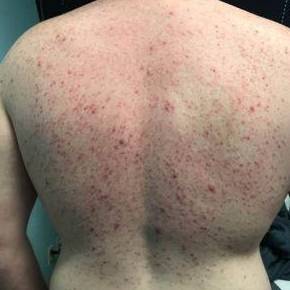
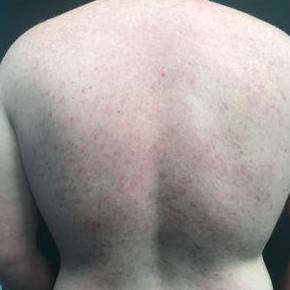
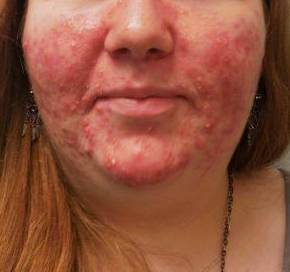 Before
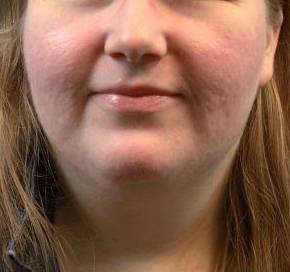 After
AfterAcne
25+
Years Experience Treating Acne
6,000+
Acne Patients Successfully Treated
Personalized
Treatment Plans for Every Patient
Trusted
for Hormonal & Adult Acne Treatment
The Real Struggle Behind Persistent Acne
01
Acne is the most common skin condition in the United States, affecting between 40 and 50 million people at any given time.
02
Furthermore, acne is not just a physical condition — it can impact confidence, self-image, and overall quality of life.
03
Many patients struggle with recurring acne despite trying multiple over-the-counter products, often because the root cause is not being addressed.
04
As a result, without proper treatment, acne can progress in severity, making it more difficult to manage and increasing the risk of long-term skin damage.
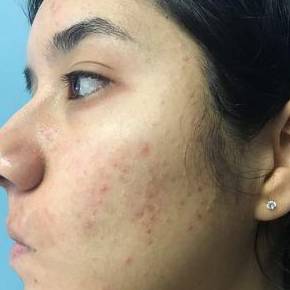
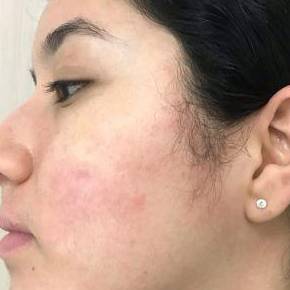
Why Professional Treatment Matters?
Acne is not one condition, it varies in type, severity, and cause. Incorrect treatment can delay results or worsen breakouts. Therefore, each type of acne requires a different, targeted approach. In addition, professional diagnosis helps identify the root cause. As a result, early treatment prevents worsening and reduces risk of scarring. Patients dealing with acne in and around Dallas should know the severity of their condition, which determines the possible treatment. Dr. Ellen Turner and her team will make a diagnosis and suggest the next steps.
Acne Classification & Treatment Overview
| Characteristics | Typical Treatment | |
|---|---|---|
| Acne | Common acne | Treated by over-the-counter medication or a dermatologist |
| Comedones | Hair follicle clogged with oil and dead skin cells (blackheads, whiteheads, papules, pustules, nodules) | Treated by a dermatologist |
| Mild Acne | Roughly fewer than 30 total lesions (whiteheads, blackheads, inflamed bumps) | Treated by over-the-counter topical medicine or a dermatologist |
| Moderate Acne | Roughly 30 to 125 total lesions | Treated by a dermatologist. May require prescription medication. |
| Severe Nodulocystic Acne | Multiple inflamed cysts and nodules. | Prompt treatment by a dermatologist (may require corticosteroid injections) to minimize scarring |
| Acne Conglobata | Most severe forms of acne involving many inflamed interconnected nodules | Prompt treatment by a dermatologist is important to reduce scarring |
| Acne Mechanica | Caused by heat, friction, and pressure | Wearing absorbent material |
Expert Care
Why Choose The Dermatology Office?
Dr. Ellen Turner is committed to providing exceptional, patient-centered care. She understands that acne affects not only the skin but also emotional well-being, and she takes the time to truly listen to each patient’s concerns.
Our Approach to Acne Care
A Customized Approach to Every Patient
- Acne affects both skin and confidence, treatment must be personalized
- Plans are based on age, gender, acne severity, and lifestyle factors
- Special considerations include hormonal changes, pregnancy, or medical history
- Goal: treat the root cause, not just surface symptoms
When Will You See Results?
- Acne treatment is a gradual, guided process, not an overnight fix
- Visible improvement typically begins within 6–12 weeks
- Regular follow-ups help adjust and optimize results
- Long-term consistency leads to clearer, healthier skin
Why Proper Treatment Matters?
- Prevents acne from worsening or recurring
- Reduces risk of permanent scarring
- Improves overall skin health and confidence
- Ensures safe, effective, and long-term results
Treatment Cost
The cost of acne treatment varies depending on the severity of your condition and the type of treatment recommended. Every plan is thoughtfully tailored to ensure you receive the most effective care and optimal results for your skin.
Treatment Options
Understanding Acne: Causes, Triggers, and Types
What Is This Condition?
Acne is not just a physical condition, it can impact confidence, self-image, and overall quality of life. As a result, without proper treatment, acne can progress in severity, making it more difficult to manage and increasing the risk of long-term skin damage. Proper care and timely treatment are essential to prevent scarring and maintain healthy skin. With the right guidance and medical support, achieving clear skin is not only possible, it is sustainable.
What Cause Acne?
Research shows four key players are involved in the formation of acne: excess oil, clogged pores, bacteria, and inflammation. The excess oil is sebum, which our bodies make to prevent the skin from drying out. Sebum increases dramatically during adolescence when hormones known as androgens spur production into overdrive. If excess sebum cannot flow to the skin’s surface, clogged pores result. P. acnes, a bacteria found on everyone’s skin, flourishes in the excess oil and results in inflammation. While acne is not caused by specific foods, certain foods may make some people’s conditions worse. If certain foods seem to worsen the problem, try to avoid them. Currently, the only scientific studies that correlate diet with acne show that sugar can promote or worsen the condition. Research has shown some of the following items can trigger or worsen acne symptoms:
Symptoms
- Heredity/genetics
- Fluctuating hormone levels
- Menstruation
- Picking at sores
- Wearing tight clothing, helmets, and headgear
- Stress that increases cortisol levels
- Oily or greasy personal care products
Every skin is different. Our philosophy is to understand the root of your condition, design a plan that fits your life, and walk alongside you until you see the results you deserve.
Dr. Ellen Turner
Type and Severity of Acne
Non-inflammatory acne is referred to in the general dermatology community as comedonal. This category includes blackheads and whiteheads. Inflammatory acne appears as papules (bumps), pustules, cysts, or nodules. More severe cases are characterized by cysts and nodules and can cause scarring. Severe cases should be treated quickly and aggressively. The best treatment method for the condition depends on its severity. A mild form is easier to manage and can be treated with over-the-counter topical medications, while moderate to severe acne is much more difficult to treat and may require prescription medications.
Acne can be classified as several different subtypes, including:
Acne Vulgaris
The most common, typical form that includes most flareups.
Acne Mechanica
Common among athletes and caused by a combination of excess heat, pressure, and friction on the skin.
Acne Cosmetica
Caused by cosmetics such as makeup and creams.
Excoriated Acne
Develops due to excessive picking or scratching at blemishes to the point of wounding the skin.
Common Symptoms of Acne
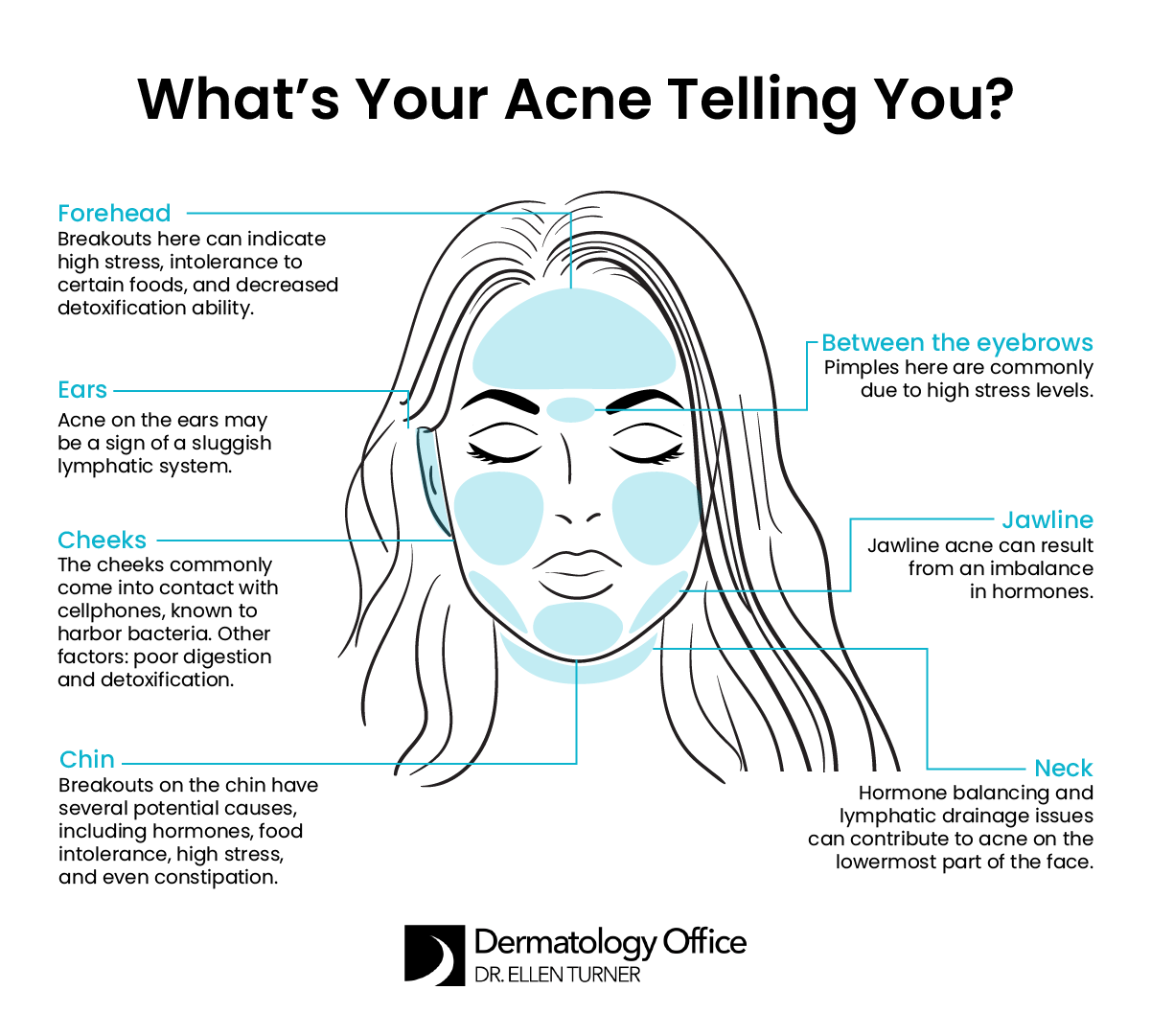
This skin condition typically occurs on the face, forehead, chest, upper back, and shoulders, but it can also appear elsewhere. The type of acne symptoms you have will vary depending on its severity.
Whiteheads
Closed bumps on the surface of the skin that are blocked with excess oil and dead skin. These small, round spots with a white or yellowish appearance develop under the surface.
Blackheads
Open plugged pores where excess oil and dead skin have accumulated. The black color is caused by an irregular reflection of light on open pores, not dirt.
Papules
Small red or pink bumps that become inflamed and feel sensitive or tender to the touch. These occur when pores become clogged with bacteria and an inflammatory response occurs.
Pustules
Inflamed papules clogged with pus containing oil, bacteria, and dead cells. Scarring may occur if you scratch or pick at them.
Nodules
Large, hard pimples or bumps that develop in the deeper part of the skin and feel painful. Can cause scarring because it involves deeper layers.
Cysts
The most severe form of acne, penetrating deep into the skin. These often painful, pus-filled bumps look similar to boils and may cause scars.
Essential Skincare Habits During Treatment
Cleanse gently twice daily with a mild cleanser
Avoid over-washing or harsh scrubbing
Do not pick, pop, or squeeze acne lesions
These habits help prevent inflammation, worsening, and scarring
Get Expert Acne Treatment Dallas & Irving — Book with Dr. Ellen Turner
Even though most people experience the occasional pimple or blemish, persistent acne is a deeper concern that requires the right diagnosis and treatment. At the Dermatology Office, patients in Dallas and Irving can find lasting relief through proven, medically guided solutions. If your acne is not improving or continues to return, Dr. Ellen Turner and her team provide personalized care designed to treat not just the symptoms, but the root cause, helping you achieve clearer, healthier skin with confidence. Clear skin begins with the right diagnosis and expert care. To explore your treatment options, schedule a consultation with Dr. Ellen Turner today.