

If you’ve spent even a few minutes scrolling through social media lately, you’ve probably seen someone claiming they’ve discovered the next miracle skincare treatment. One day it’s beef tallow. The next it’s lemon juice. Then someone is mixing ingredients in their kitchen to make homemade sunscreen or promising “natural Botox” in a jar.
As a board-certified dermatologist, I love seeing people take an interest in caring for their skin. But I also see the consequences when viral skincare trends spread faster than the science behind them.
The truth is, not everything that goes viral belongs on your skin.
Why Skincare Misinformation Is Everywhere
Social media has made it easier than ever to share beauty tips, product recommendations, and skincare hacks. Unfortunately, it has also made it incredibly easy for misinformation to spread.
A video with millions of views doesn’t necessarily mean the advice is accurate—or safe.
As physicians, we rely on scientific evidence, clinical research, and years of medical training to guide our recommendations. While some social media trends have a kernel of truth, many leave out important details or oversimplify complex skin conditions.
Let’s look at a few of the biggest myths making the rounds.
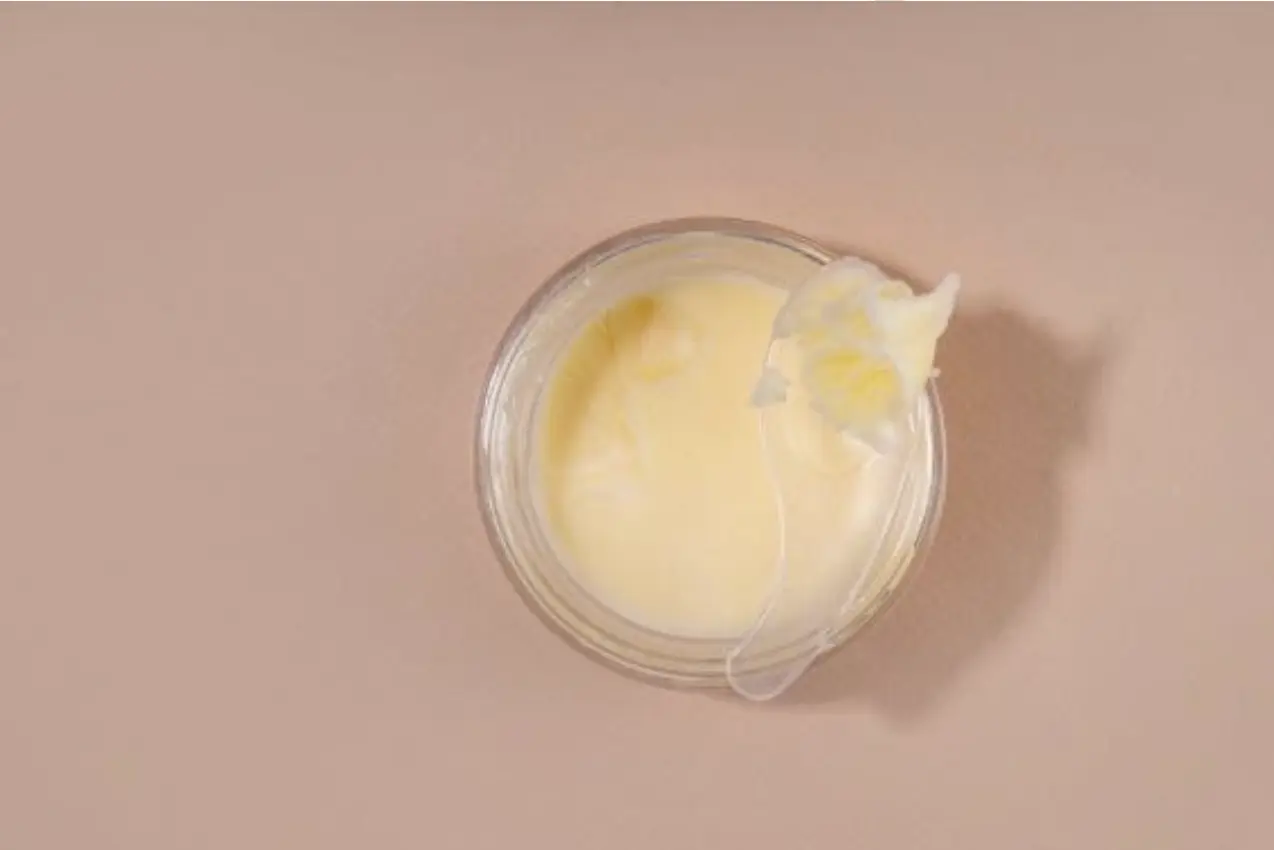
Fact or Fib? Beef Tallow Is the Best Moisturizer
Fib…with a little nuance.
Beef tallow has become a popular “natural” skincare ingredient because it contains fatty acids that can help moisturize the skin.
However, “natural” does not automatically mean “better.”
For some people, especially those with acne-prone skin, heavy occlusive products may contribute to clogged pores or breakouts. More importantly, beef tallow has not been shown to outperform well-formulated, dermatologist-tested moisturizers that contain ingredients like ceramides, glycerin, or hyaluronic acid. If you’re looking for a proven regimen, our cosmetic dermatology treatments are backed by science.
If beef tallow works for someone, that’s one thing—but it isn’t the miracle moisturizer social media sometimes claims it to be.
Fact or Fib? Lemon Juice Can Brighten Your Skin
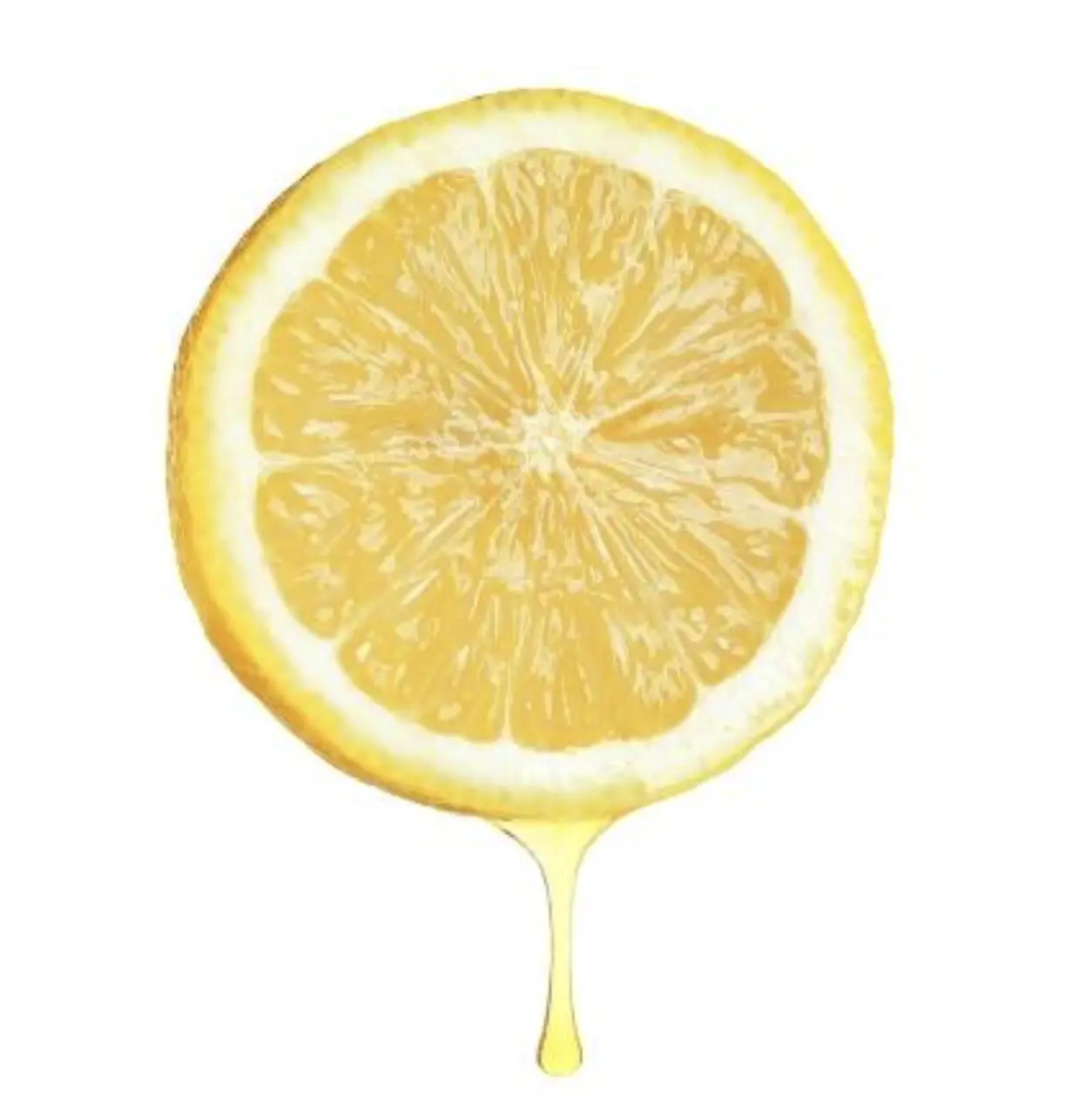
Definitely fib.
Lemon juice is highly acidic and can damage the skin barrier.
I’ve seen patients develop burns, irritation, discoloration, and even blistering after applying lemon juice to their skin—especially before spending time in the sun.
There are far safer and more effective ingredients for treating dark spots and uneven skin tone, including vitamin C, retinoids, azelaic acid, and prescription therapies when appropriate.
Your kitchen is wonderful for cooking—not necessarily for skincare.
Fact or Fib? Homemade Sunscreen Works Just as Well
Absolutely not.
This is one trend I hope disappears.
Effective sunscreen undergoes extensive testing to verify that it provides the level of SPF protection listed on the label.
Homemade sunscreen recipes found online cannot reliably provide that protection. Even a small error in formulation can leave your skin vulnerable to ultraviolet (UV) damage, premature aging, and skin cancer.
Protecting your skin isn’t an area where guesswork is worth the risk.
Fact or Fib? “Natural Botox” Really Exists
Fib.
You’ve probably seen everything from banana peels to rice water, flaxseed masks, egg whites, and countless DIY recipes promoted as “natural Botox.”
While some ingredients may temporarily hydrate the skin or create a short-lived tightening effect, they do not relax facial muscles the way FDA-approved BOTOX® Cosmetic treatments do.
There’s nothing wrong with enjoying a hydrating face mask – but it’s important to understand the difference between temporary cosmetic effects and treatments supported by clinical evidence.
Why Evidence Matters
Healthy skin isn’t built on viral trends.
It’s built on consistent habits, proven treatments, and recommendations that are backed by science.
As a dermatologist, my goal isn’t to discourage curiosity—it’s to help you separate evidence from exaggeration so you can make informed decisions about your skin.
Sometimes a trend turns out to have promise. Other times, it simply creates confusion—or worse, causes harm.
That’s why asking questions and seeking reliable medical guidance is so important.
Introducing: “Fact or Fib”

One of my favorite ways to educate patients is by taking popular skincare claims and putting them to the test.
That’s why I’m launching a Fact or Fib series on social media, where we’ll break down viral skincare trends, cosmetic treatments, and beauty myths using evidence – not opinions.
We’ll cover questions like:
- Is beef tallow really better than moisturizer?
- Does castor oil regrow hair?
- Can collagen supplements improve your skin?
- Is “clean beauty” actually safer?
- Are expensive skincare products worth the price?
- Which TikTok trends should you avoid?
Some trends may surprise you!
Follow Along – and You Could Win!
If you enjoy learning the science behind skincare, I’d love for you to join our growing community.
Follow me on Instagram for weekly Fact or Fib posts where we’ll separate skincare facts from fiction together.
And here’s a little extra incentive…
🎉 When we reach 10,000 Instagram followers, one lucky follower will win $500 in SkinMedica® skincare products!
It’s my way of saying thank you for helping us build a community focused on education, evidence, and healthier skin.
Together, we can replace confusion with confidence and help more people make informed decisions about their skin health.
I hope you’ll join us.
Follow along, share the facts, challenge the myths, and let’s disrupt the misinformation—one post at a time.
I’ll see you on Instagram!